AI consulting · Seattle, WA

AI consulting in Seattle.

Clairvance is an AI transformation consultancy: we map how a piece of work actually gets done, then build AI and integrations into the systems your team already runs, test them, train the people who use them and hand them over. We work with Seattle companies, most often seafood and food processors, coffee and beverage producers, aerospace suppliers, distributors and multi unit restaurant groups.

Clairvance is based in Seattle and works on site with teams across Seattle and Bellevue, from the first walkthrough to testing and launch.

The Seattle operating picture

Where the work is in Seattle

Seattle's business base is unusual: a working fishing waterfront, a deep aerospace supply chain, a dense cluster of food and drink makers and a large restaurant market. Each one runs on records that pass between people, spreadsheets and systems, and that handoff is where most of our work starts.

Seattle is a home port for the North Pacific fishing fleet

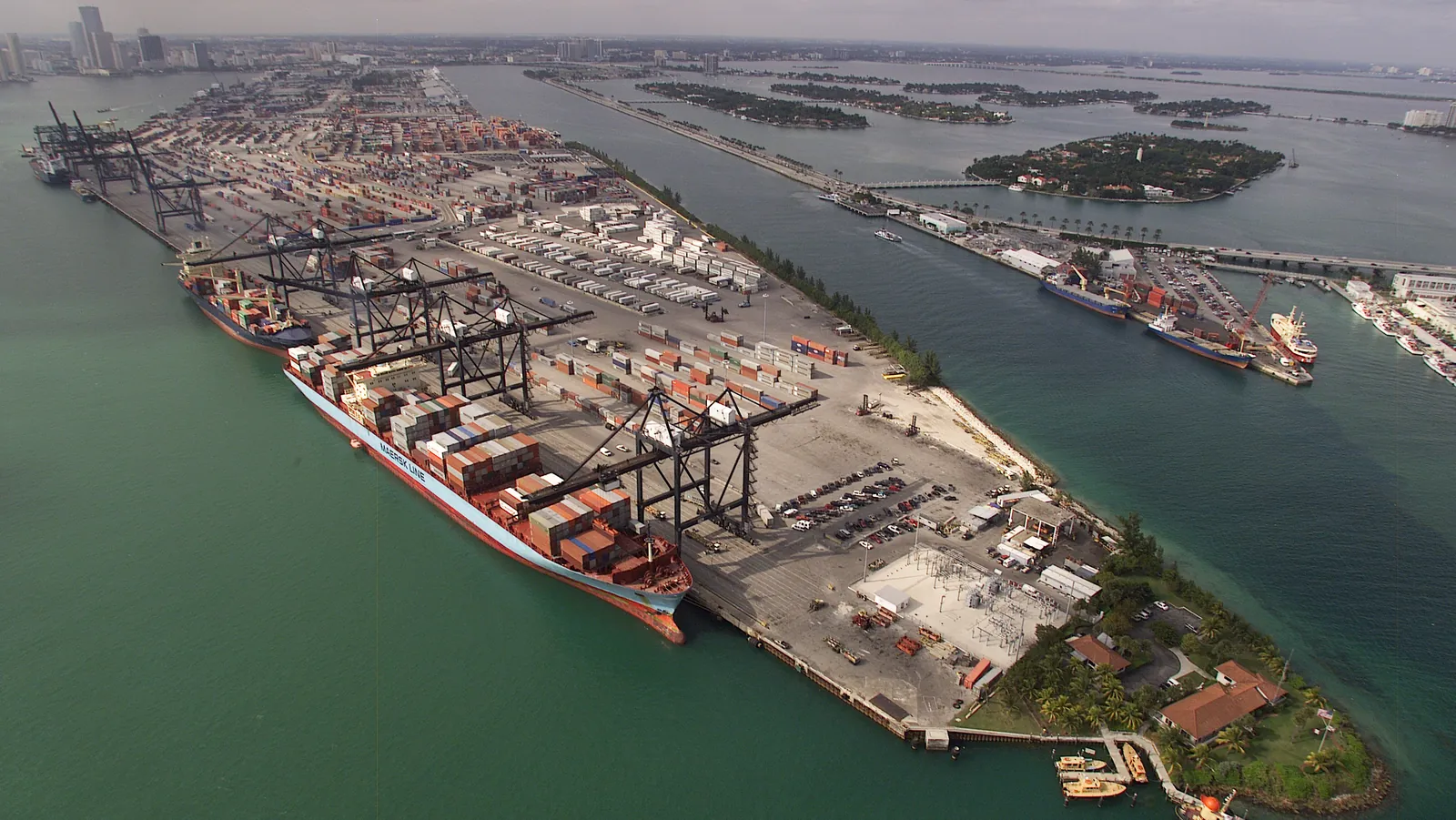
In 2023, 275 commercial fishing vessels used Port of Seattle facilities, and the Port reports that vessels based at its moorage supply 19.5 percent of the total U.S. commercial fishing harvest by tonnage. Commercial fishing at the Port directly supported nearly 5,800 jobs and $418 million in business revenues that year. Catch records, processing schedules, cold storage and settlement paperwork have to line up inside a short season, which makes document intake and reconciliation a practical first job for AI.

Source: Port of Seattle, Five fast facts about commercial fishing
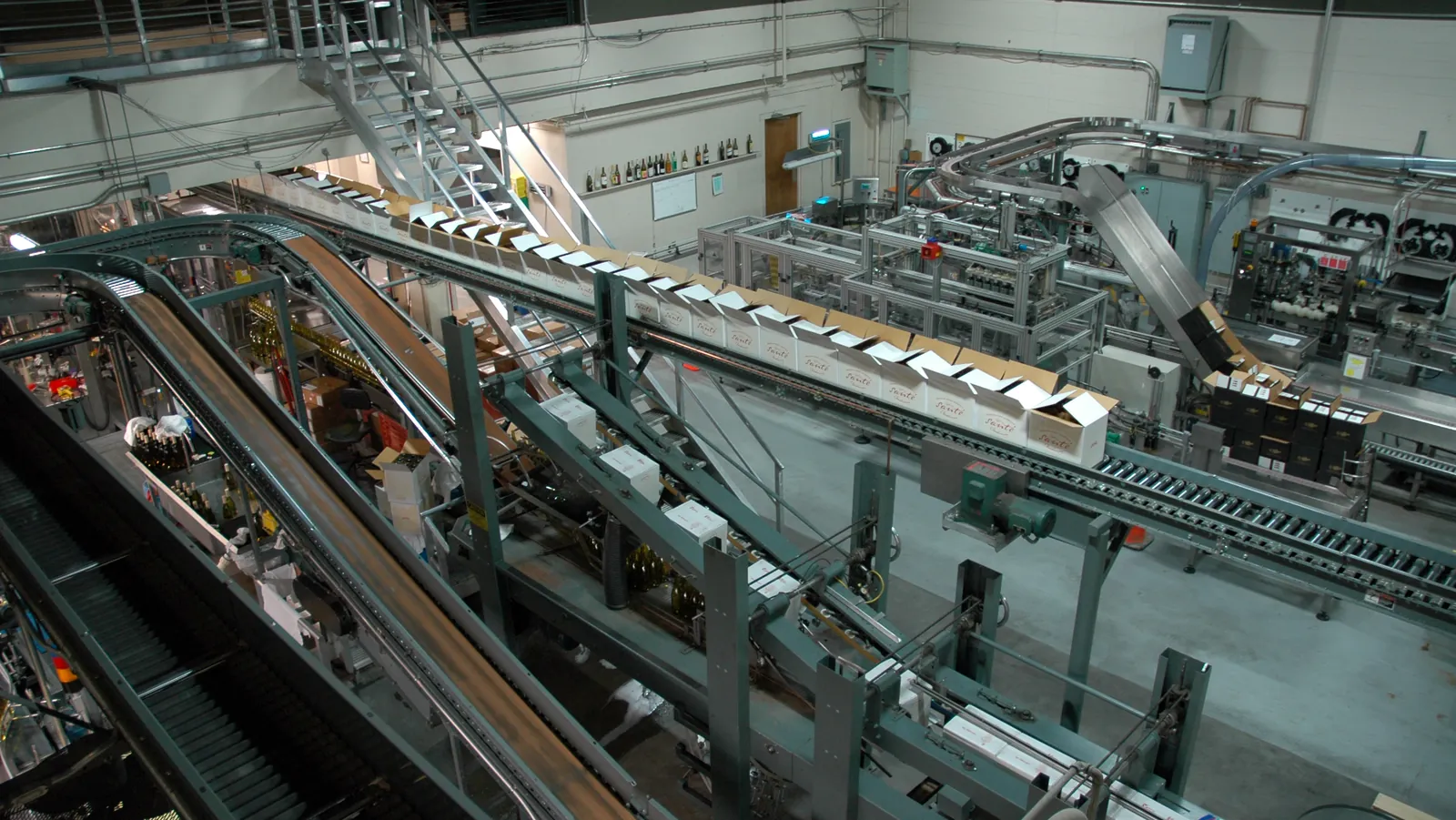
Seafood, coffee and beer are made here, not just sold here

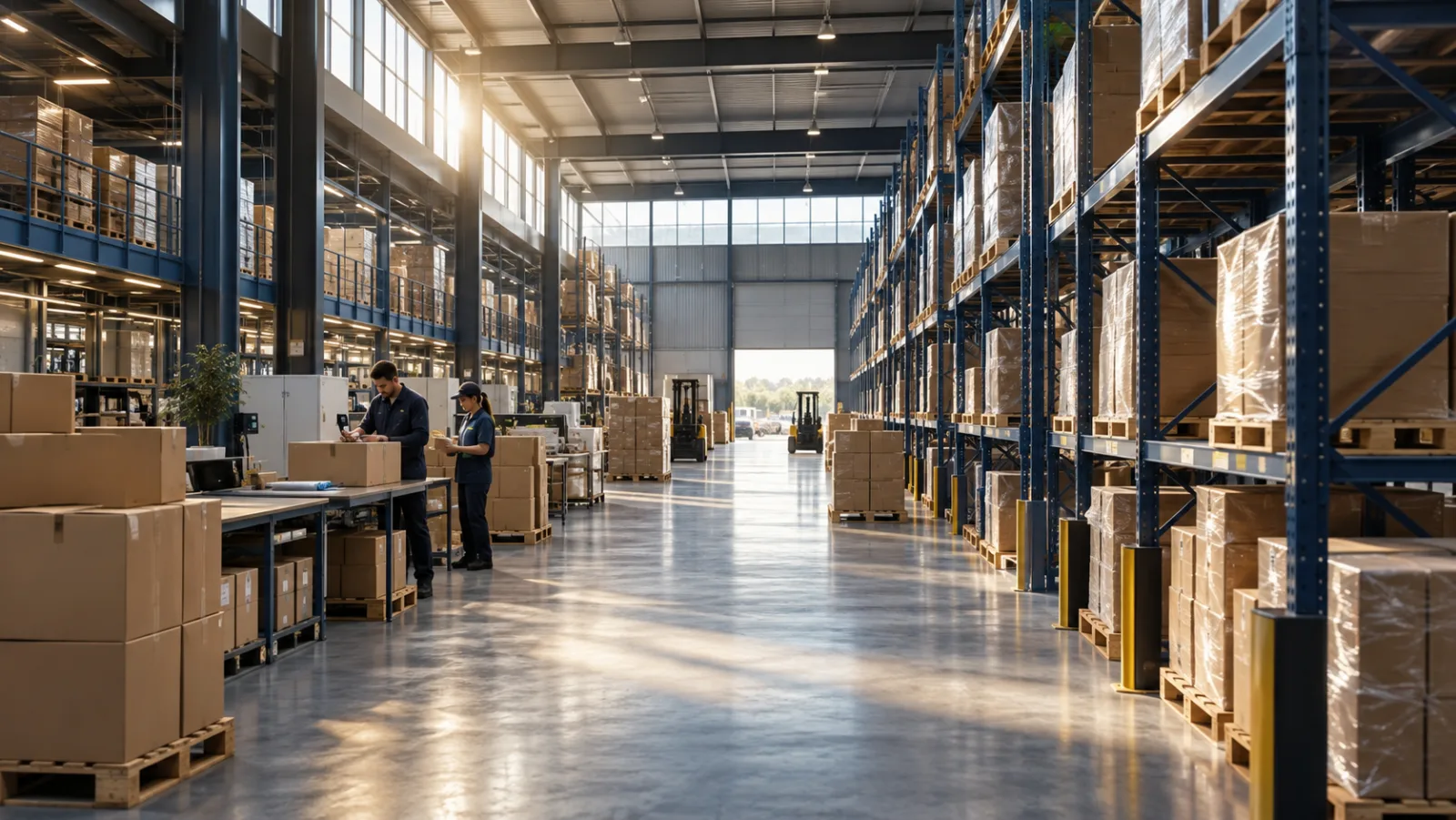
In 2025, King County had 18 seafood preparation and packaging establishments employing 2,112 people, a concentration nearly seven times the national average by the BLS location quotient, along with 26 coffee and tea manufacturers and 79 breweries. Producers like these work from lot codes, buyer specifications, purchase orders and export documents that usually sit in separate places. Connecting them so a person reviews exceptions instead of retyping records is where AI earns its place in a plant office.

Source: U.S. Bureau of Labor Statistics, Quarterly Census of Employment and Wages, King County, 2025 annual averages

A supplier base built around aerospace

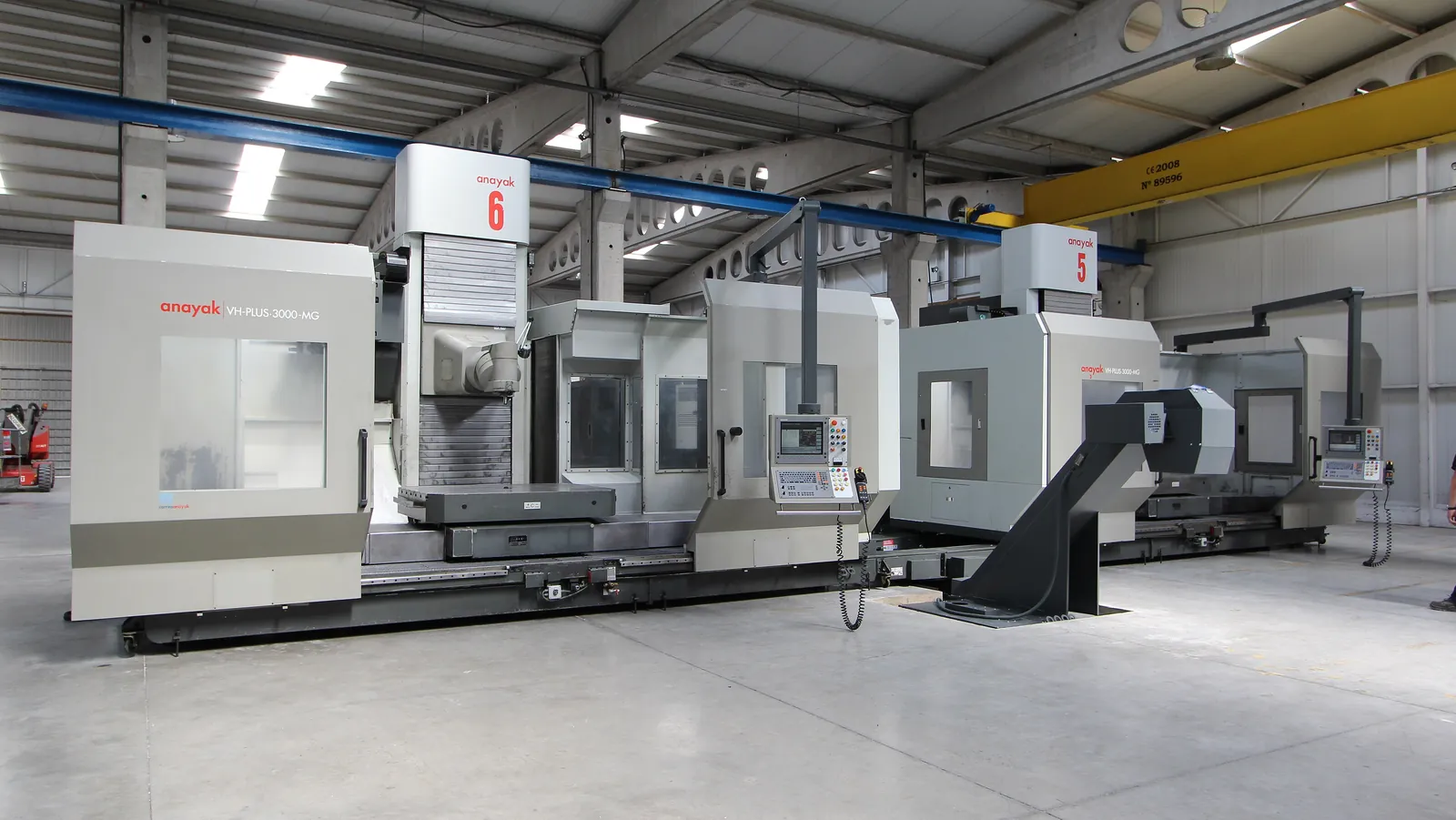
The Washington State Department of Commerce counts more than 1,500 aerospace suppliers in the state and sizes aerospace as a $71 billion industry here. Suppliers at every tier live on quotes, certifications, inspection records and engineering changes. AI can draft, check and file that documentation inside the quality system a shop already uses, with a qualified person signing off on anything that ships.

Source: Washington State Department of Commerce, Choose Washington: Aerospace

Restaurants are one of the county's largest employers

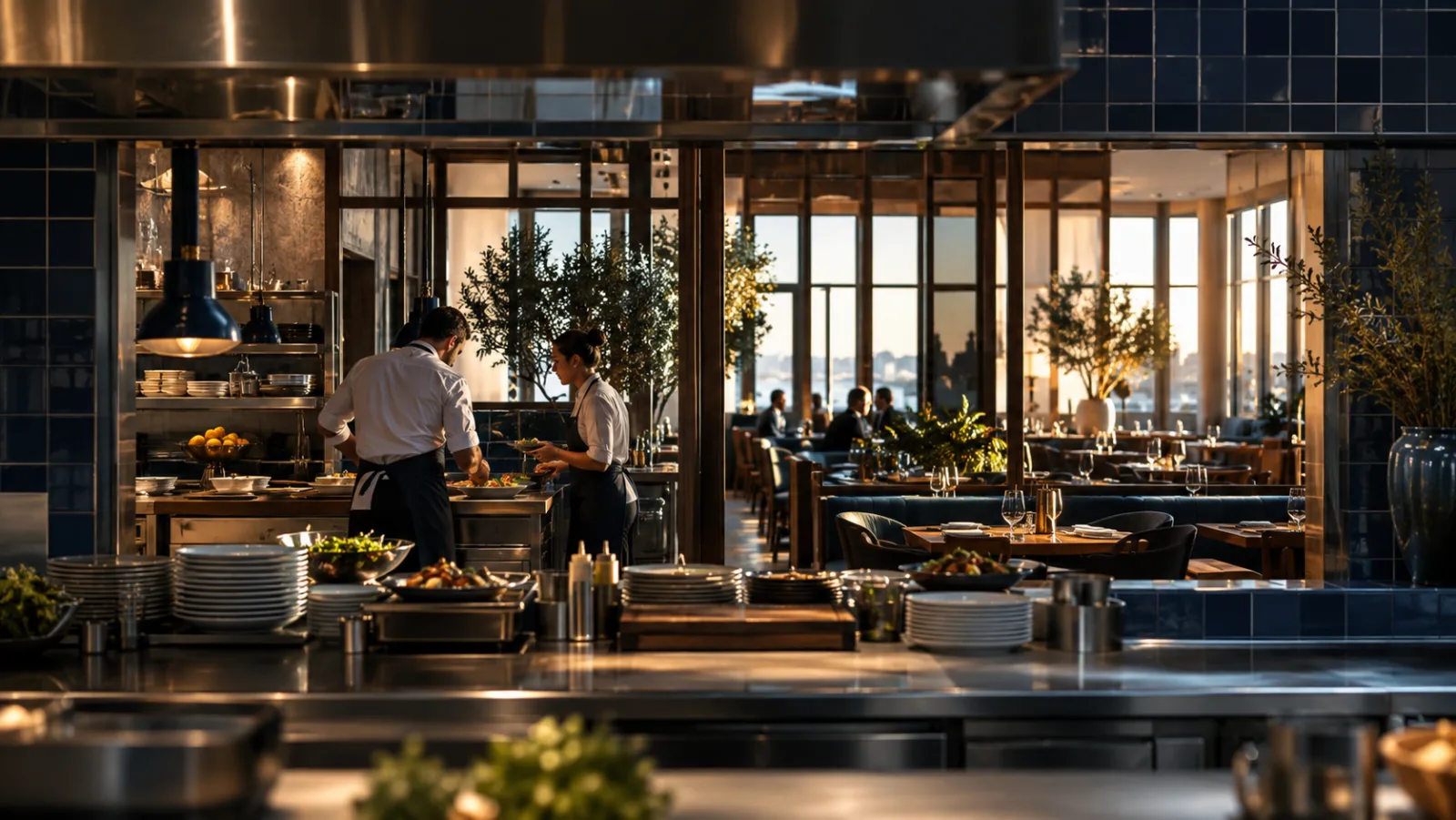
King County had 6,035 food service and drinking place establishments employing 94,665 people in 2025, by BLS count. Multi unit groups here manage schedules, vendor invoices, inventory counts and payroll across locations that each work a little differently, and Seattle's scheduling law adds rules any software has to respect. That suits AI that prepares the work and leaves the decision with a manager.

Source: U.S. Bureau of Labor Statistics, Quarterly Census of Employment and Wages, King County, 2025 annual averages

Where we start in Seattle

Industries we work with in Seattle.

Ordered by where Seattle’s economy puts the most recurring work between people and systems.

All industries →
Before you deploy AI in Washington

Rules to know before AI touches customer, employee or health data

These three rules shape how we design AI work for Seattle companies. This is a plain summary to help you ask the right questions, not legal advice; your counsel should confirm how each one applies to your business.

Washington My Health My Data Act (RCW 19.373)

Since March 31, 2024, a regulated business may collect consumer health data only with the consumer's consent for a specified purpose, or as needed to provide a product or service the consumer asked for, and sharing it needs a separate consent. The definition reaches well beyond clinics: it includes biometric data and precise location that could show someone seeking health services. It covers consumers rather than employees, and a violation is an unfair or deceptive act under the state Consumer Protection Act, so we map where health signals could enter a workflow before any model sees them.

Source: Washington State Legislature, Chapter 19.373 RCW

Seattle Secure Scheduling Ordinance (SMC 14.22)

In effect since July 1, 2017, it covers hourly employees at retail and food service employers with 500 or more employees worldwide; full service restaurants must also have 40 or more full service locations worldwide. Covered employers must post schedules at least 14 days in advance, pay for employer requested changes after posting, and pay time and a half for hours worked between closing and opening shifts less than 10 hours apart. A tool that drafts schedules or fills open shifts has to carry these rules inside it.

Source: City of Seattle Office of Labor Standards, Secure Scheduling

Washington data breach notice (RCW 19.255.010)

Affected consumers must be notified without unreasonable delay and no more than 30 calendar days after a breach is discovered, with narrow exceptions, and a breach that requires notice to more than 500 Washington residents must also be reported to the Attorney General within 30 days. Every AI tool that copies customer records to a new vendor adds to that exposure, so we keep data inside systems you already control where we can and document each new data flow.

Source: Washington State Legislature, RCW 19.255.010

How an engagement runs

One workflow first. Then the next.

We start with a conversation about one recurring process: the people who touch it, the systems involved and the outcome you need. Then we map the work as it actually happens, agree a defined scope, build the integrations and AI into the software your team already uses, test the hard cases with that team, train the people who will run it, and hand it over with named owners.

Also: AI consulting in Boston · AI consulting in Chicago · AI consulting in Dallas · AI consulting in Houston

AI consulting in Seattle

Questions Seattle companies ask.

Do you have an office in Seattle?

Clairvance is based in Seattle, and the work comes to you rather than the other way around. Discovery, testing and launch happen on site at your offices, plants, warehouses or kitchens across Seattle and Bellevue, and the build work in between is done remotely.

Which Seattle industries do you work with most?

Food and beverage producers, including seafood processors, coffee roasters and breweries; manufacturers, especially aerospace suppliers; distributors and wholesalers; and multi unit restaurant groups. We also work with trucking and logistics companies, insurance agencies and brokers, finance teams and accounting firms.

How does an engagement start?

With a conversation about one workflow: what it is, which systems it runs through and what outcome you want. If there is a fit, we write a defined scope that says what we will map, build, test and hand over, and who on your team will own it after launch.

Start a conversation

Talk to Clairvance about a Seattle workflow

Tell us about one workflow, the systems it runs through and what you want to change. We will reply with whether it fits and what a first scope would cover.

Talk to Clairvance