Logistics & shipping

AI Consulting for Logistics and Shipping Companies

Clairvance provides AI transformation consulting and implementation for logistics and shipping companies: trucking fleets, freight brokers and forwarders, ports and drayage, warehouses and 3PLs, and short line railroads. We connect shipping documents, billing, carrier and driver files and railcar records to the systems you already run, with rate, customs, safety and compliance decisions kept with your team.

Based in Seattle · Consulting and implementation across the U.S. · Remote and on site

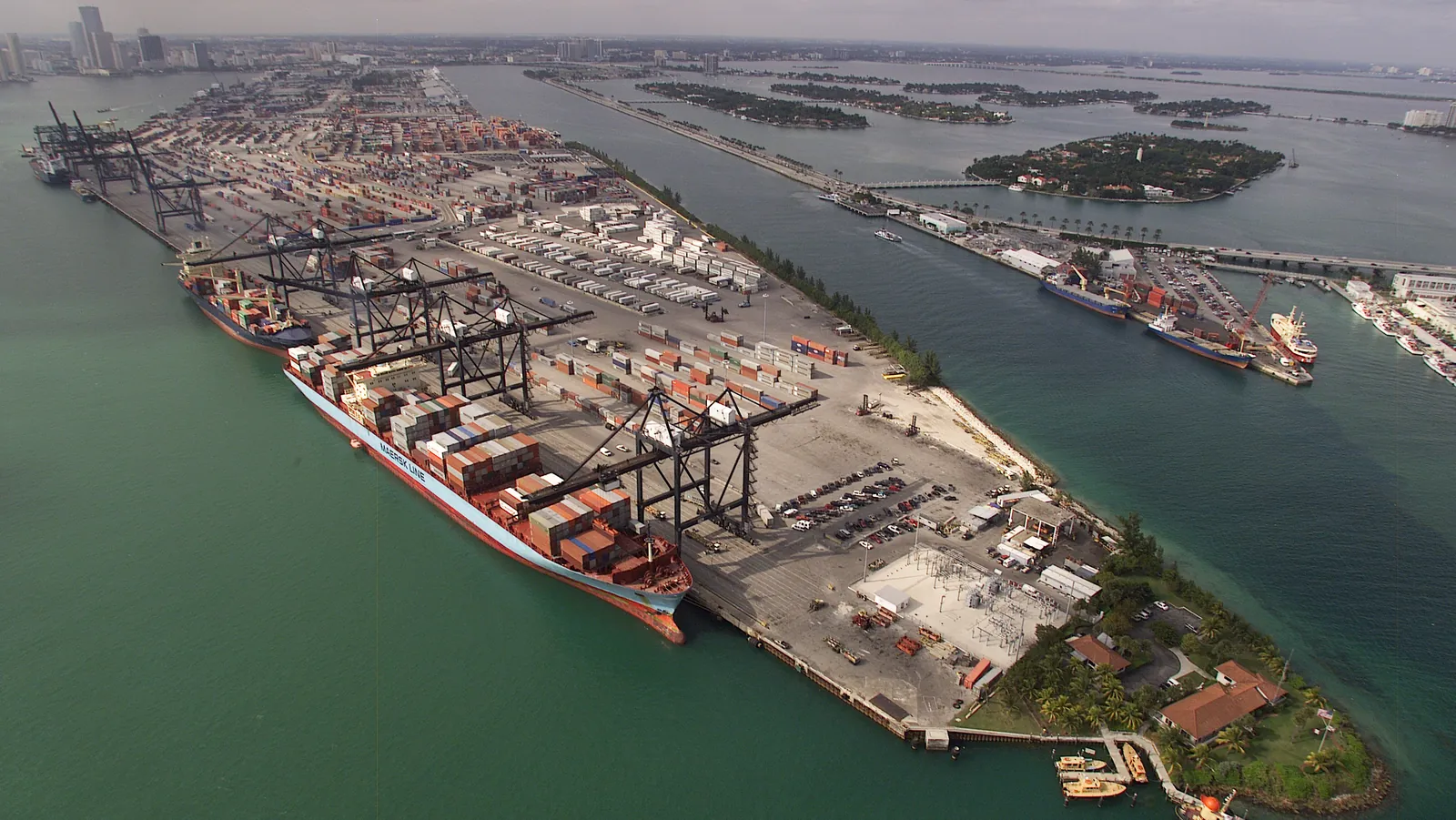
Aerial view of a container port with ship-to-shore cranes unloading a container ship
Photo: James R. Tourtellotte, U.S. Customs and Border Protection / Wikimedia Commons, public domain
The operating reality

Make the paperwork move as reliably as the goods.

Goods move on documents: rate confirmations, bills of lading, arrival notices, customs paperwork, proof of delivery, warehouse receipts, carrier packets, driver files and, on a railroad, car events and inspection records. When those arrive as scans, photos, emails and portal downloads, billing waits, charges slip past their free time and disputes take longer to settle. We work with operations, billing, safety and IT to map that work and implement AI and integrations in the TMS, warehouse, accounting and railroad systems you already use. AI reads, matches, drafts and flags. Your team keeps rate, credit, customs, safety and compliance decisions.

Where transformation can start

The recurring work worth examining.

For owners, COOs and CFOs at trucking fleets, freight brokers and forwarders, importers and exporters, drayage carriers, warehouses and third-party logistics providers, and short line and regional railroads. Bring one recurring flow, such as delivery paperwork into billing, container charges or warehouse client billing, that your team handles every week.

Delivered loads wait on paperwork before they can be billed

A load is ready to bill only when the rate confirmation, bill of lading, signed proof of delivery and any accessorial approvals agree. Drivers send photos, receivers note exceptions by hand, and detention or lumper charges arrive separately. A billing workflow can read each document, match it to the load in the TMS, check the amounts against the rate confirmation and hold only the loads with a real difference. Billing staff release each invoice; rates and accessorial approvals stay with the people who own them.

A useful first move
Pull a month of delivered loads. Record the days from delivery to invoice, the documents that were missing or unreadable, and the reasons invoices were held or corrected.
What to measure
Measure delivery-to-invoice time, loads held for paperwork, invoices corrected after sending and short payments tied to missing documents.

Import and export shipments ride on documents nobody reconciles

One container move can produce a booking, a bill of lading, an arrival notice, a delivery order, customs paperwork, terminal and drayage appointments, and per diem or demurrage charges if the box sits past its free time. Forwarders, importers and drayage carriers retype the same container numbers across carrier portals, the TMS and accounting. A shipment workflow can read each document, tie it to the container and the customer order, track free time and flag charges that do not match the agreement. Classification and customs filing stay with the licensed customs broker.

A useful first move
Pull a month of import or export containers. Record how many documents each one needed, which were retyped, and which per diem, demurrage or detention charges were disputed or paid late.
What to measure
Measure documents retyped per container, charges incurred after free time, time from arrival notice to delivery order and customer status requests answered late.

Warehouse client billing closes late and leaks charges

A warehouse or 3PL that stores and ships for several clients bills each one differently: storage by pallet or by space, handling by order or carton, and extra charges for special projects. Receiving discrepancies, inventory adjustments and client rate sheets sit in different places, so the billing month closes late and some activity is never billed. A billing workflow can pull activity from the warehouse system, apply each client’s rate sheet, hold the lines that do not match and draft the invoice for review.

A useful first move
Take one month of billing for two or three clients. List the charges that were added by hand, missed or disputed, and the system each one came from.
What to measure
Measure days to close the billing month, charges added after the first draft, client disputes and unbilled activity found later.

Freight invoice and accessorial disputes are rebuilt from email

When a shipper short pays or a carrier bills detention, layover or a reweigh, someone has to reassemble the rate agreement, appointment times, proof of delivery and the messages that approved the charge. A dispute workflow can collect that evidence by load, show whether the agreement supports the charge and draft the response. For brokers, the same record can carry what FMCSA requires them to keep for each transaction, such as the bill of lading or freight bill number and the compensation received. Your team decides what to accept, dispute or credit.

A useful first move
Export a quarter of disputed and short-paid invoices by customer or carrier and reason. Separate the reasons with clear evidence from those that need research, and agree who may approve a credit at each amount.
What to measure
Track open disputes by age, amounts recovered, credits issued without documentation and time from short payment to resolution.

Carrier packets and driver files are checked by hand

A broker onboarding a carrier collects operating authority, insurance certificates, tax forms and a signed agreement, then has to notice when coverage lapses. A fleet keeps a driver qualification file for each driver; under FMCSA rules it includes the employment application, motor vehicle records, the road test certificate or an accepted equivalent, the annual driving record review and the medical examiner’s certificate, kept while the driver is employed and for three years after. A records workflow can read each document, track expiration dates and flag gaps. Your safety lead decides who is qualified.

A useful first move
Audit a sample of active carrier packets or driver files against your checklist. Record which items were missing, expired or unreadable, and how each gap was found.
What to measure
Measure files with a missing or expired item, days a lapse went unnoticed, onboarding time per carrier or driver and audit findings tied to file gaps.

A short line’s billing and inspection records live in different places

Short lines most often provide the first or last mile of a longer move, according to ASLRRA, so much of their paperwork depends on car events shared with a connecting railroad. Demurrage invoices need placement, notice and release times; car hire and interchange have to reconcile with connecting carriers; and FRA requires a record of each required track inspection, prepared on the day of the inspection, showing any deviation and the remedial action taken. A records workflow can assemble invoices from car events and flag missing times. Your team approves every bill and every track decision.

A useful first move
Pick one customer or yard. Rebuild a recent month of demurrage invoices from car events, and note which placement, notice or release times had to be looked up or estimated.
What to measure
Track demurrage invoices disputed, charges adjusted after billing, car hire differences with connecting carriers and shipper requests answered late.
Work with your operating reality

Your systems are part of the starting point.

We start from the TMS, dispatch, warehouse management, accounting and document systems you already use, or on a railroad the car management, billing and track inspection tools, and check their supported APIs, imports and EDI connections before building anything. The working deliverable includes agreed load, container, client and car mappings, a review queue with each exception linked to its source document and a traceable handoff to billing or the system of record. Acceptance cases cover a split delivery, a proof of delivery that does not match the bill of lading, a container charge billed after free time was extended and a car with a missing release time. Billing, operations and safety owners test the complete path, with a named owner for each mapping.

Workflow walkthroughs are illustrative designs, with fictional inputs and explicit review steps.

Bring a better brief

The AI Transformation Decision Guide

Choose the right work to change, compare AI with your existing software, and plan an implementation your team can own.

Related insights
Common questions

AI for logistics and shipping, answered.

What are the most useful AI tools for trucking and logistics companies?

The most useful starting points are usually the recurring paperwork around each load: reading proof of delivery and bills of lading into billing, matching accessorial charges to the rate confirmation, checking carrier packets and driver files, and drafting replies to routine status requests. Many TMS and accounting products already handle part of this, so we check what yours can do before adding anything. Dispatch, rate, credit and safety decisions stay with your team.

Can AI help a freight forwarder or importer with shipping documents?

Yes, with the reading and matching. A workflow can pull container numbers, dates and charges from bills of lading, arrival notices and carrier invoices, tie them to the customer order, track free time and flag per diem, demurrage or detention charges that do not match the agreement. Customs classification and filing stay with the licensed customs broker, and your team approves every charge before it is billed or paid.

Can AI help a freight broker with carrier onboarding and billing?

Yes, with the document work. A workflow can read carrier packets, track insurance expiration dates, match carrier invoices to rate confirmations and keep each load’s documents together. Under FMCSA rules, brokers keep a record of each transaction, including the bill of lading or freight bill number and the compensation received, for three years, and the workflow can keep that record linked to its sources. Your team still approves every carrier and every payment.

Can AI help a short line railroad with demurrage billing?

It can prepare each invoice for review. A workflow can assemble every car’s placement, notice and release times from your records and the connecting railroad’s data, apply the free time in your tariff or contract and flag cars with missing or conflicting events. The STB’s demurrage invoice rule, effective October 6, 2021, applies to Class I carriers, though the Board strongly encouraged Class II and Class III carriers to follow it where they can. The workflow can also confirm the customer received actual notice of your demurrage tariff before placement, which STB rules tie to liability. Your team approves every bill.

Can AI help a railroad keep FRA track inspection records?

It can help inspectors complete records and help managers find them. FRA requires a record of each required inspection, prepared on the day of the inspection, with the author, type of track, date and location, any deviation found and the remedial action taken. Electronic records are allowed when the system meets conditions that include a unique identity for each author, records that cannot be changed once completed and storage started within 72 hours. Inspectors and supervisors make every safety decision.

Does AI make FMCSA or FRA compliance automatic?

No. AI can read documents, track expiration dates, check required fields and show what is missing, but the carrier or railroad remains responsible for its records and decisions. For example, FMCSA requires a fleet to keep a driver qualification file for each driver while the driver is employed and for three years after. A workflow can show the state of every file and route each gap to the person who owns it. This is general information, not legal advice.

Start a conversation

Where does a shipment, a load or a railcar stop moving?

Tell us your TMS, warehouse or railroad systems, how paperwork arrives, your approximate weekly volume and the exceptions your team handles most. We will use those details to discuss an implementation that fits your operations, billing and safety teams.

Talk to Clairvance